The program raises the level of “self-awareness” of the participants and develops their skills to increase the quality of collaboration, to be more effective and efficient in their interactions with those around them. The participants discover how they can value their individual strengths in order to facilitate the way they collaborate with those around them and solve everyday problems together with them.
To whom the program is addressed:
For teams that want to collaborate better and grow together
Teams that work remotely, at a distance
To all those who want to increase their influence through more effective communication
Stages of self-management & collaboration:
Exploring and discovering behavioral patterns, the unique way people make decisions and manage their time.
Identification of individual strengths and weaknesses
Practicing the language and conversations that bring an increase in receptivity, influence and make interactions with those around you easier and more effective.
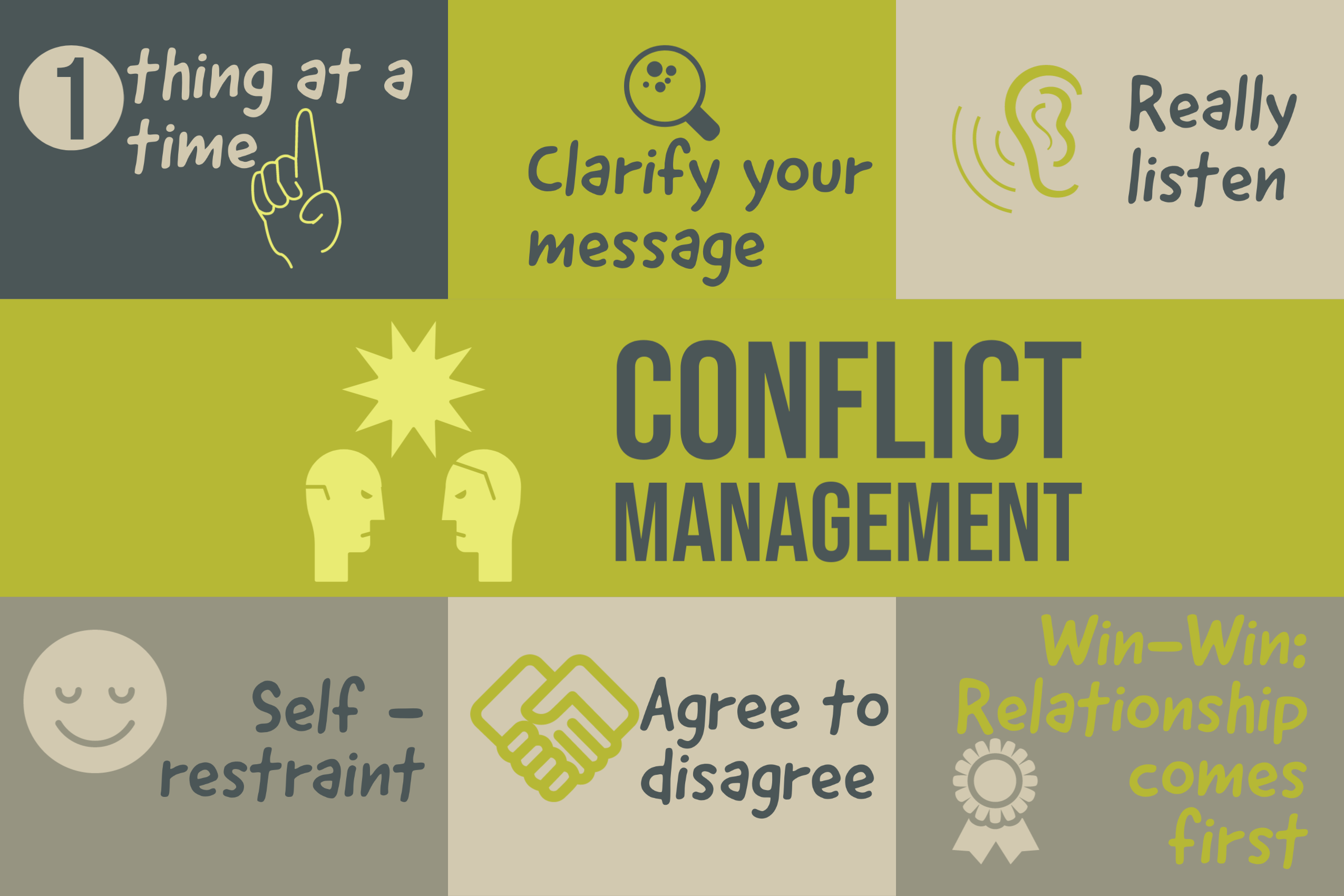
CONFLICT MANAGEMENT
Open and honest conversations improve mutual trust, teamwork and significantly contribute to a constructive and agile organizational culture. Employees who do not master these conversations reduce the efficiency of collaboration processes, amplify conflict situations, contribute to the decrease of commitment and personal responsibility
Therefore, within the program, Conflict Management, we learn the following:
What is Conflict?
How do conflicts evolve?
What is good and what is bad in conflicts?
How do conflicts escalate?
What can you learn from game theory in conflict management?
How to manage conflicts
How many different ways of approaching conflicts are there and what are the advantages and disadvantages?
How to refuse a request and at the same time avoid a possible conflict?
What does an effective conflict resolution process look like?
How to use the formula for solving a conflict in 6 steps?
How to manage your emotions
How do emotions affect discussions?
How to avoid emotional decision-making?
How to use anger management in conflict resolution
Learn about a series of psychological tactics used in conflicts and how to respond to them when they are used on you, or simply exploit them yourself.
What are the 15 main causes of conflict?
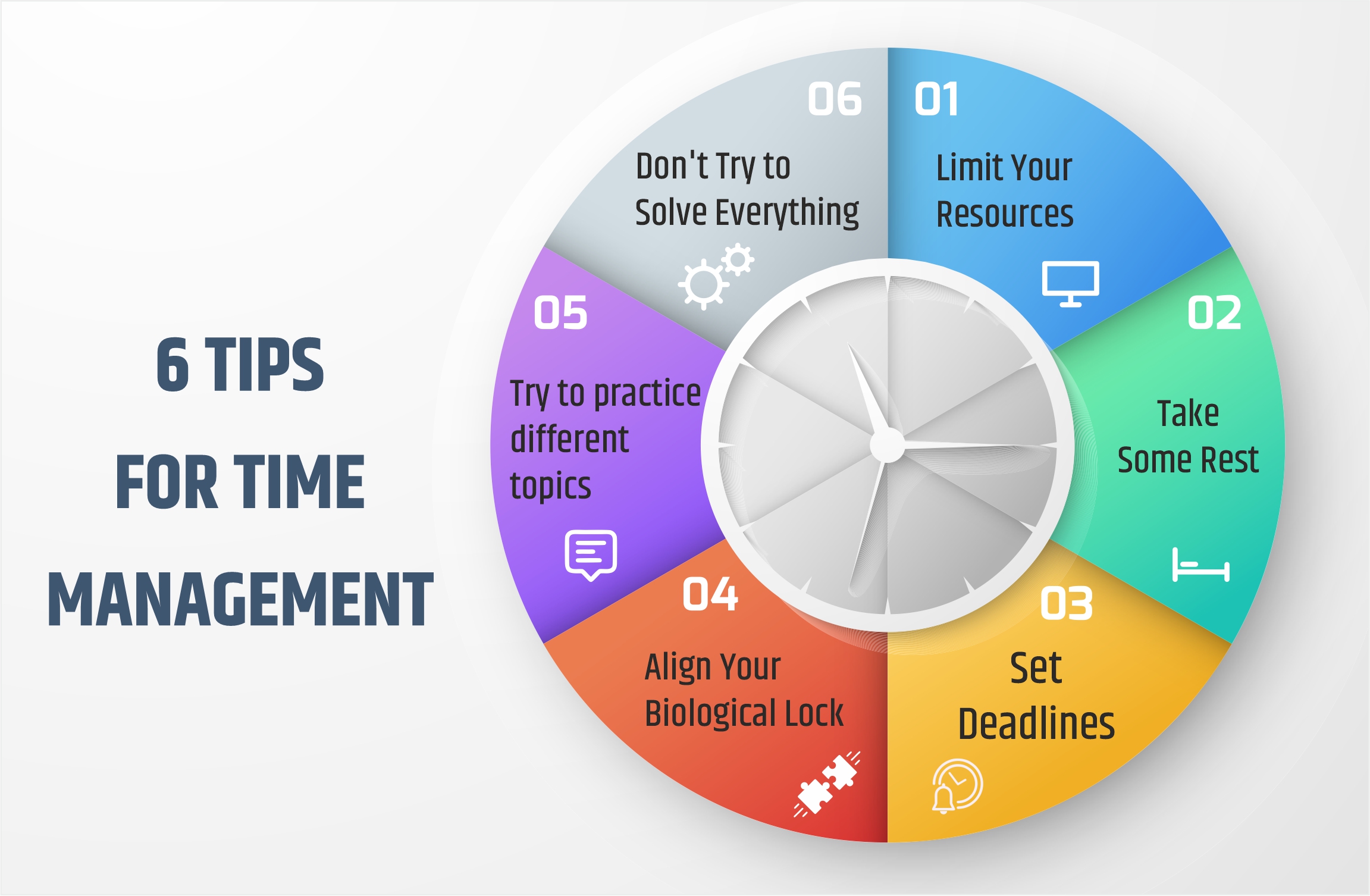
TIME MANAGEMENT
Time is a resource that we all have equally, but the way we manage to organize ourselves and set priorities makes the difference between an ordinary day and a productive day. To get the best results in an increasingly demanding environment, we need to spend time to find new ways to be more efficient. We can take advantage of the working time and the personal time we have in the best possible way if we design our activities in such a way as to obtain maximum productivity.
The purpose of Time Management:
Time Management focuses on the development of essential skills for organizing and planning time and activities. The participants will have the opportunity to discover a well-structured system, along with clear and practical ideas through which they can “earn” time every day.
To whom it is addressed:
It is addressed to all people who are concerned with identifying new ways to save time and improve their personal efficiency. Whether we are talking about employees in an executive role, managers, people who work in sales or other demanding fields, the approach offers numerous examples that fit at a general level (and specifically following the analysis of the group of participants) to all categories of roles and responsibilities, from – a varied industrial area.
Stages of Time Management:
Identifying the unproductive habits and activities that the participants face
Identify the activities of strategic importance to achieve the objectives
Ways of prioritizing and planning the work schedule and daily tasks
Action plan for the implementation and support of the change