We live in a world where we often hear the terms coaching, career, vocation, occupation, counseling, consultant in various fields and on various components of life. And often there are ambiguities, confusions or these terms are overused and lose their value.
Let's first clarify what counseling is and isn't?
In the career consultant manual designed by Andreea Szilagy, one of the pioneers of this niche field, counseling is defined as a process carried out in a well-constructed methodological framework, through which a specialized person provides support to another person to make decisions about their personal life and professional, through a holistic approach, which includes aspects of lifestyle, career, personal development.
For what purpose?
To achieve a professional and personal balance.
What is NOT counseling?
It is not a reactive process, on the contrary, it is a more proactive process, through which it tries to prevent potential problems and support the person in adopting an action plan that will ensure his success in one area or another. It does not deal with situations of neuropsychiatric health disorders.
He is not a doctor and does not provide drug treatment to treat mental disorders. To solve these situations, a psychiatrist will be consulted.
It’s not an advice chest. The advisor has the role of an expert guide, who does not give advice, only guides the person to make the best decision for himself.
How does it help you?
Vocational counseling thus helps you discover who you are, what you want, what you can do with your skills and talents, how to get what you want, doing what you like and are passionate about and thus building your own path. And the result of this process is the state of fulfillment, meaning, satisfaction, balance in all aspects of your life, not only in terms of your career.
Expertiza
The counselor has expertise in many areas, in the public or private environment, works both in individual sessions and with groups, administers personality assessment tools, designs and implements together with the client individual development plans, for all age groups. Depending on the fields of specialization, we are talking about educational counseling, vocational or career counseling, family counseling, rehabilitation counseling, crisis counseling, pastoral counseling, organizational counseling.
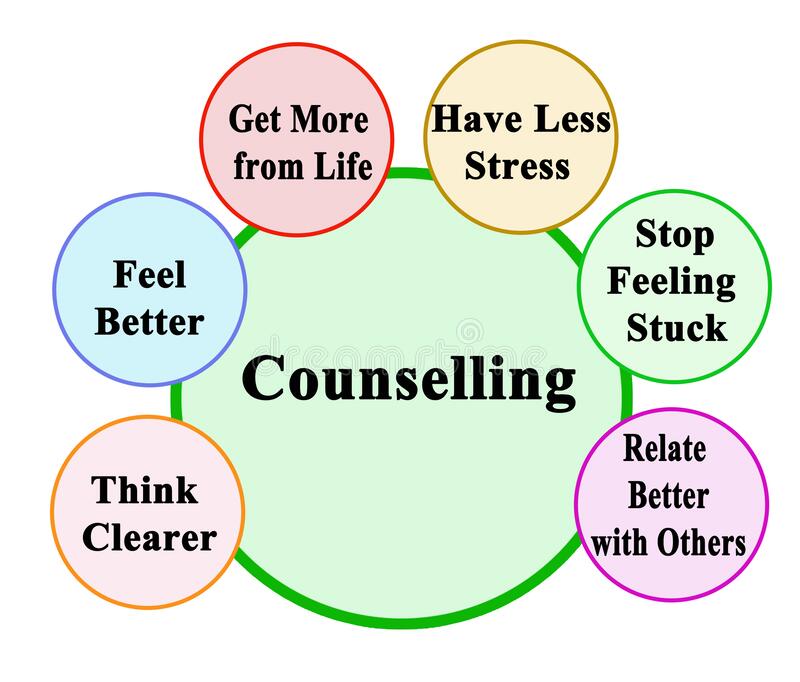
Benefits of counseling programs:
♦ Learning constructive behavioral models such as setting goals in life, active listening, feedback, self-affirmation, concentration of attention, development of intellectual capacities, relaxation, school/professional option, conflict resolution, development of creativity, spending free time; ♦ Self-knowledge. Tools for introspection, identifying potential and developing it in the most appropriate direction; ♦ Information and orientation towards an occupation or career; ♦ Cultivating confidence in a career decision; ♦ Adaptation strategies to the current workplace or to the current context (family, social, economic); ♦ Strategies for learning new skills, solving specific tasks; ♦ Techniques for overcoming obstacles; ♦ Strategies for reducing stress, solving existential crises and motivation; ♦ Strategies for balancing personal and professional roles; ♦ Achieving an optimal level of mental health; ♦ Optimizing interpersonal relationships.